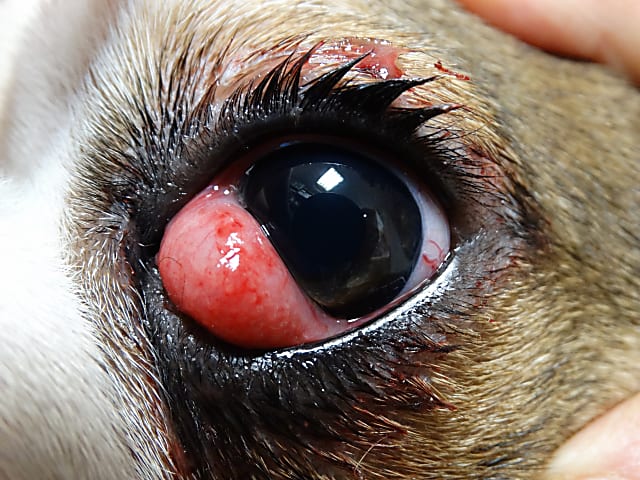
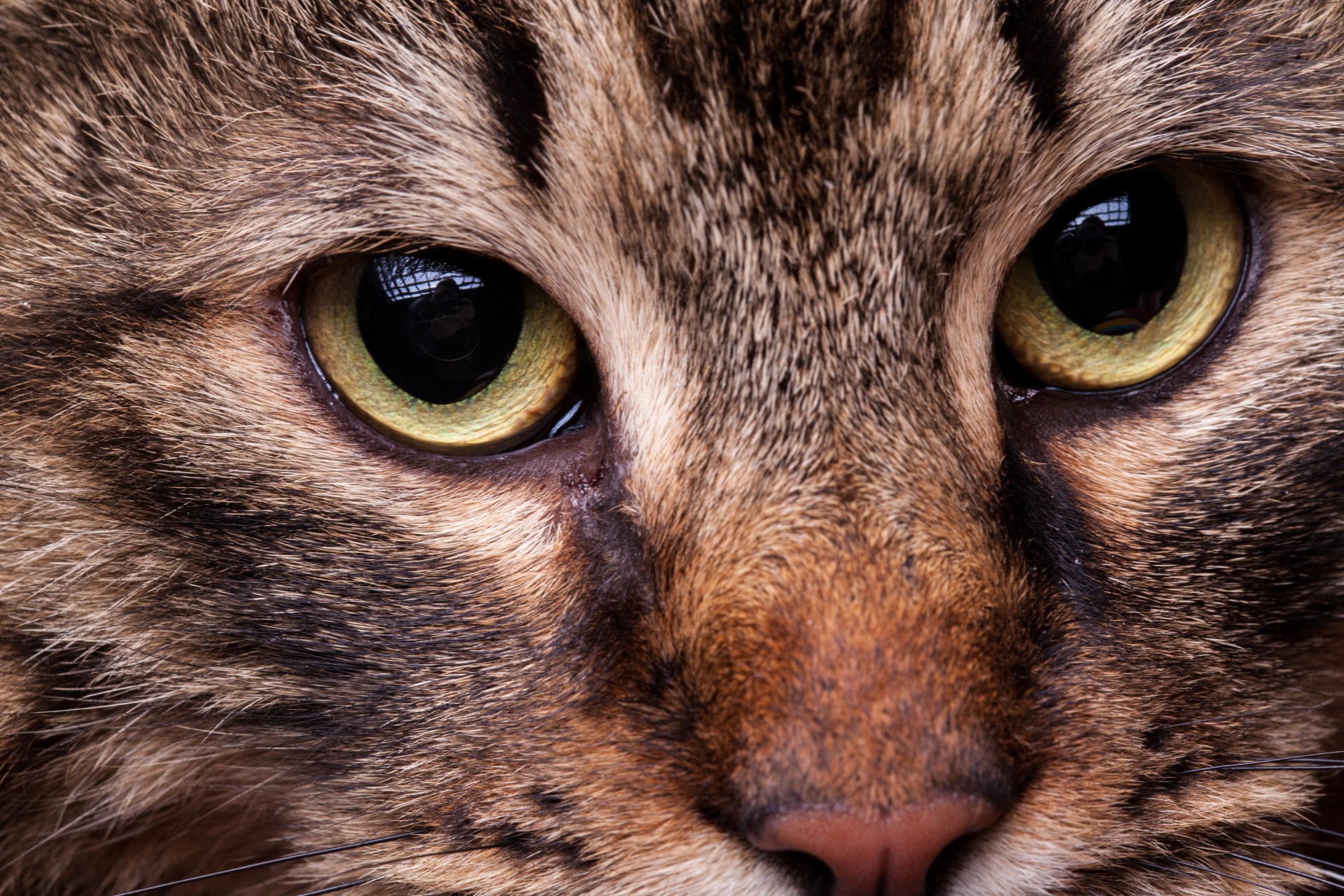
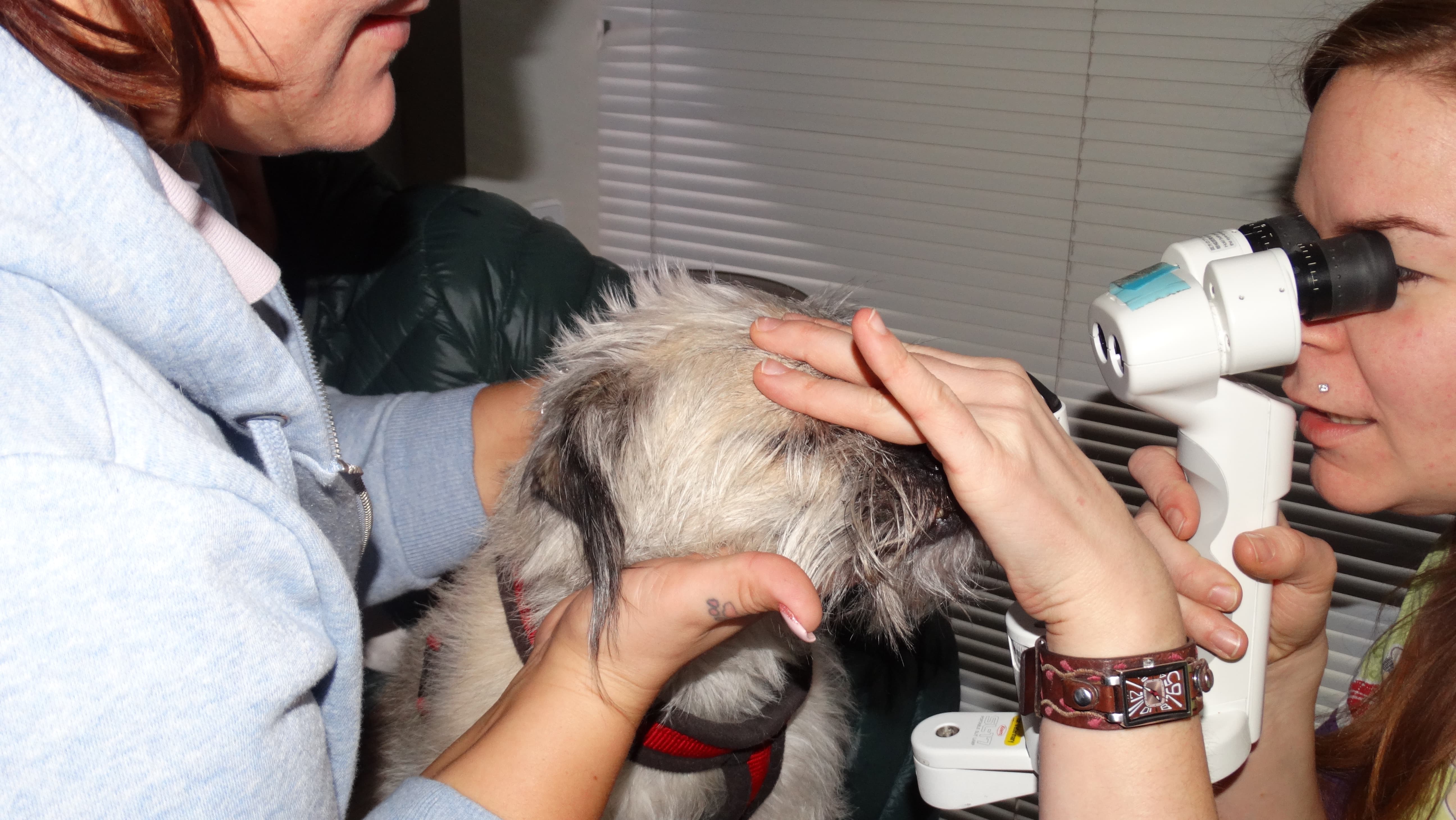
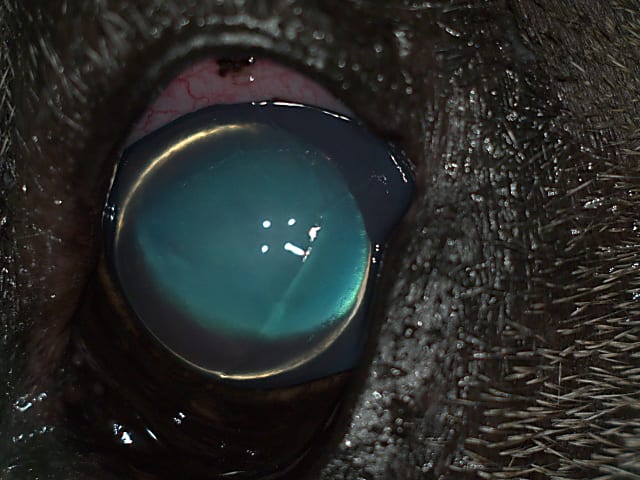
An eye examination is generally a painless, thorough procedure in which the vet examines your pet's eyes inside and out. We use special tests (e.g. tear production, eye pressure measurement) for an accurate diagnosis. The most common eye problems are discharge, squinting, red eyes or vision loss. Dogs, cats and other small animals can all be examined. If you notice anything unusual, please don't hesitate to contact us!
2025. March 11.
Eye Examinations for Animals: What Pet Owners Should Know
Our pets' eyesight is at least as important as our own. If your pet squints, has eye discharge, frequently rubs its eyes, or you notice a change in the color or size of the eye, it is worth having an ophthalmic examination performed. Early detection can help prevent more serious problems.
How is the ophthalmic examination performed?
The examination is always thorough and is generally painless. We carry out the following steps:
Medical history
The veterinarian asks the owner about the symptoms, their onset and course, and any previous illnesses.
General ophthalmic examination
The eye, eyelids, cornea, conjunctiva and surrounding tissues are thoroughly examined using natural and focused light (with a slit-lamp biomicroscope).
Specialized ophthalmic tests
Schirmer tear test: to measure tear production.
Fluorescein staining: to detect corneal lesions.
Tonometry: to measure intraocular pressure, e.g. to rule out glaucoma.
Indirect ophthalmoscopy: to examine the deeper structures of the eye (the fundus).
Documentation and consultation
We record the results of the examination, explain the findings in detail, and recommend further steps (e.g. medication, follow-up examination, surgery).
Which animals can be examined?
Ophthalmic examinations are most often performed on dogs and cats, but other small animals (e.g. rabbits, guinea pigs, reptiles) are also brought to us for examination.
Is sedation necessary for the examination?
No. The ophthalmic examination is generally painless and can be performed without sedation in most patients. However, if your dog may behave aggressively at the clinic because of a previous bad experience, please let us know in advance, and arrive with the dog fasted.
When should you see a veterinary ophthalmologist?
Visit our clinic if you notice any of the following:
Abnormal discharge or epiphora (excessive tearing)
Squinting (blepharospasm), excessive blinking, or rubbing of the eyes
Redness or swelling around the eye
Clouding of the lens
Visible eye injury
Behavioral changes (e.g. uncertainty when moving around)
Lens luxation is the abnormal displacement of the lens in a dog's eye. It is most often genetic in origin and occurs mainly in terrier breeds. The condition can involve sudden pain, tearing and vision loss. Treatment is urgent and often requires surgery. With a timely diagnosis, vision can be partially or fully saved.